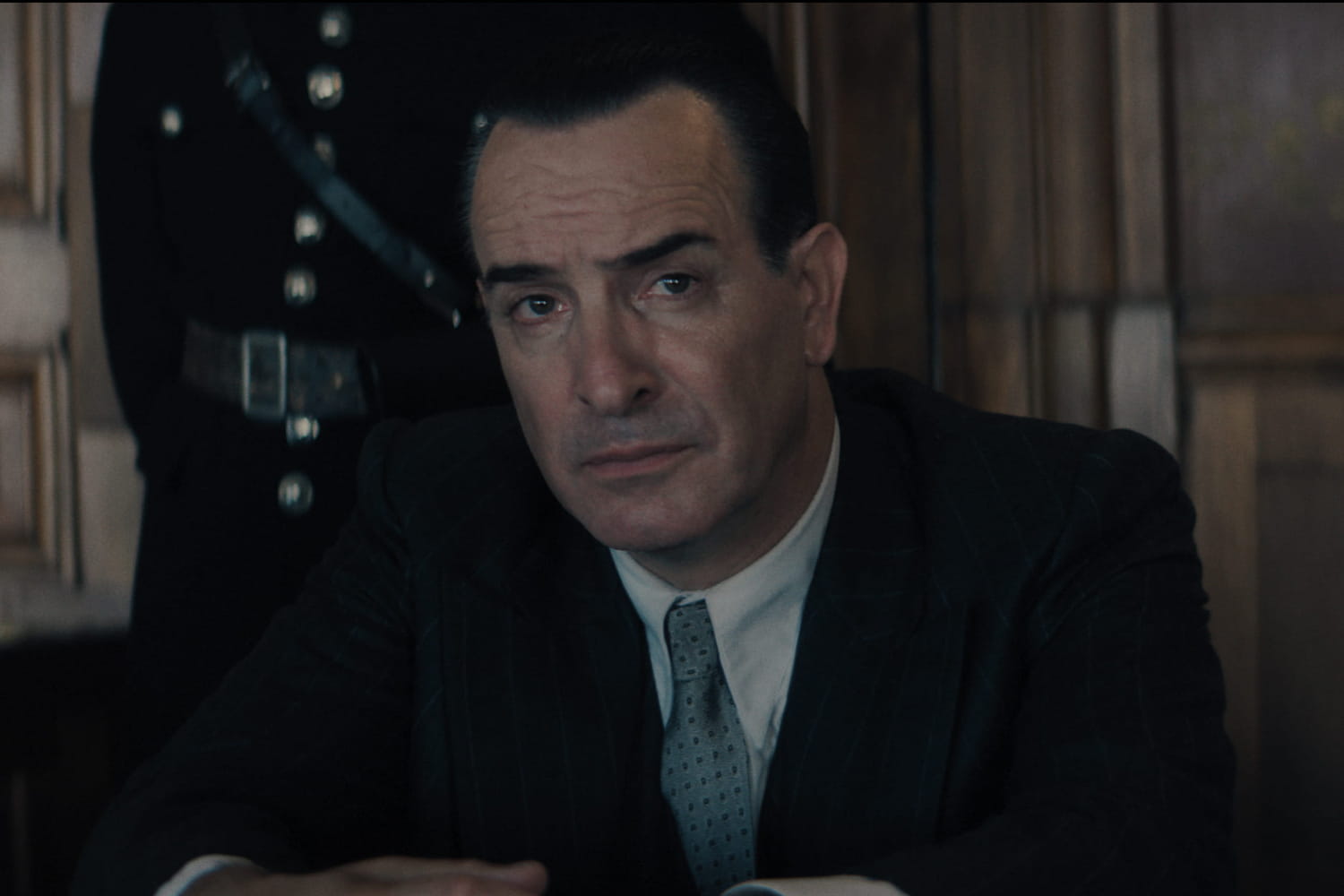
Jean Dujardin's Silent Masterpiece: Captivating Audiences in *The Artist*
In an age dominated by CGI spectacles and verbose narratives, a black-and-white, nearly silent film managed to capture the hearts of critics and audiences worldwide. That film was The Artist, a remarkable cinematic achievement that transported viewers back to the golden era of Hollywood, specifically 1927. At its core, the film's profound impact rests significantly on the shoulders of its leading man, the undeniably charismatic Jean Dujardin. His portrayal of George Valentin, a silent film superstar grappling with the advent of sound, is a masterclass in non-verbal acting, proving that some of the most powerful stories need very few words.
The Artist isn't just a nostalgic throwback; it's a vibrant, emotionally resonant narrative that feels surprisingly fresh despite its antique aesthetic. The success of this innovative project hinged entirely on the ability of its cast to convey complex emotions and drive a compelling plot without the crutch of dialogue. And it was Dujardin, as the titular silent star, who rose to this challenge spectacularly, making the film Jean Dujardin delivered an unforgettable experience.
The Allure of George Valentin: Jean Dujardin's Masterclass in Silent Acting
From the moment George Valentin appears on screen, radiating a confident charm characteristic of the era's biggest matinee idols, Jean Dujardin completely embodies the role. He doesn't just play a silent film star; he becomes one. Valentin is introduced at the pinnacle of his career, a beloved figure whose off-screen antics and larger-than-life persona make front-page news. Dujardin meticulously channels the exaggerated yet nuanced physicality typical of silent era performers, employing grand gestures, expressive facial contortions, and the captivating gaze that would have held theater audiences spellbound a century ago.
His ability to communicate an entire spectrum of emotions – from playful flirtation to profound despair – through subtle shifts in his eyes or the slump of his shoulders is truly astounding. Consider the accidental encounter with aspiring starlet Peppy Miller (Berenice Bejo) outside the theater. Valentin's initial amusement, his spontaneous laughter, and his playful embrace of the moment instantly elevate Peppy to overnight fame. Dujardin makes these interactions feel genuine and effortless, establishing Valentin's magnetic charisma and demonstrating the very essence of silent film acting, where every muscle and movement tells a part of the story. This level of dedication to the craft is what makes any film Jean Dujardin chooses to star in a compelling watch, but his performance here is particularly exemplary. For aspiring actors, studying Dujardin's work in The Artist offers invaluable insights into the power of physical storytelling and the art of conveying depth without a single line of dialogue.
A Story of Transition: The Rise of Talkies and the Fall of a Star
The Artist masterfully chronicles not just a personal journey, but a pivotal moment in cinematic history: the seismic shift from silent films to "talkies." As Peppy Miller's career skyrockets with the new sound technology, George Valentin, a proud and traditional artist, stubbornly refuses to adapt. His belief that talkies are a passing fad leads him down a tragic path. Dujardin's portrayal captures the immense psychological toll this transition takes on his character. We witness Valentin's gradual descent from a celebrated icon to a forgotten relic, compounded by personal losses – his wife, his loyal chauffeur Clifton (James Cromwell), and his own fortune after his self-funded silent film, Tears of Love, flops following the stock market crash.
The film brilliantly uses Valentin's struggle to reflect the real-life anxieties and heartbreaks of many silent era stars whose careers were abruptly ended by the advent of sound. Dujardin's performance evokes immense empathy as he depicts Valentin's wounded pride and his inability to accept help, even from the well-meaning Peppy. It's a poignant exploration of how identity can be intertwined with one's profession, and the devastating impact when that profession changes irrevocably. The nuanced way Dujardin conveys Valentin's internal conflict – the battle between his artistic integrity and the crushing reality of obsolescence – is a testament to his skill, making this film Jean Dujardin's most emotionally complex performance to date.
The Art of Silent Storytelling: Beyond Dialogue
Beyond Dujardin's incredible performance, The Artist thrives on its ingenious use of silent film techniques, elevated by modern filmmaking sensibilities. Director Michael Hazanavicius employs a rich tapestry of visual storytelling to weave his narrative. The black-and-white cinematography is not merely a gimmick; it's an immersive aesthetic choice that transports the audience directly into the 1920s and 30s. Crucially, the film's score takes center stage, acting as a powerful narrator. Whether playful, dramatic, or mournfully silent, the music guides the audience's emotions, providing context and depth that would traditionally be conveyed through dialogue. This meticulous sound design, or rather, the deliberate lack of spoken sound, truly makes the film Jean Dujardin stars in a unique auditory experience.
Hazanavicius further enhances the narrative with clever visual metaphors. A sinking quicksand sequence symbolizes Valentin's fading career, while a trampled film poster illustrates his diminishing star power. The film also masterfully pays homage to classic Hollywood, drawing influences from iconic films like Sunset Boulevard and Singin' in the Rain. It name-drops silent era legends such as Douglas Fairbanks and Jean Harlow, and even features a charming dog reminiscent of Asta from The Thin Man. These nods create a rich historical texture, allowing the audience to appreciate the film on multiple layers. It's a celebration of cinema's past while simultaneously telling a timeless story about change, pride, and the enduring power of human connection. To truly appreciate the craft, watching Nostalgia Reimagined: Jean Dujardin's The Artist and Classic Hollywood can provide deeper context into these influences.
Enduring Impact and Lessons from *The Artist*
The Artist, propelled by the captivating performance of Jean Dujardin, was not just a critical darling but a significant cultural phenomenon. Its widespread acclaim and numerous accolades underscore the universal appeal of its story and the effectiveness of its unique approach. The film serves as a powerful reminder of several timeless lessons:
- Embrace Change: Valentin's tragic downfall highlights the peril of resisting inevitable progress. While not all change is good, an open mind and adaptability are crucial for survival and growth, both personally and professionally.
- The Power of Non-Verbal Communication: Dujardin's performance is a masterclass in conveying complex emotions without words. It reminds us that body language, facial expressions, and even silence can speak volumes, often more eloquently than dialogue.
- Humility and Connection: Valentin's pride initially prevents him from accepting help, leading to further isolation. The film ultimately champions the importance of human connection and the strength found in humility and acceptance.
- Recognizing True Talent: Despite the changing landscape of Hollywood, Peppy Miller never forgets Valentin's talent, ultimately trying to save him. This underscores the idea that genuine artistry transcends fleeting trends and formats.
For filmmakers, The Artist is a bold testament to creative risk-taking, demonstrating that thinking outside the box can yield extraordinary results. For audiences, it's an invitation to appreciate the nuances of cinematic history and the profound emotional depth that can be achieved through minimalist means. The film Jean Dujardin helped bring to life stands as a beacon for artistic integrity and innovative storytelling.
Jean Dujardin's portrayal of George Valentin in The Artist is a performance for the ages. He not only brought a complex character to life but also paid homage to an entire era of filmmaking with grace and authenticity. Through his silent brilliance, Dujardin captivated audiences globally, reminding us that true artistry transcends language and technology. The film's enduring appeal lies in its poignant narrative, its innovative execution, and above all, in the unforgettable performance of its leading man, solidifying its place as a modern classic.